
With temperatures beginning to fluctuate, now is the ideal time to assess whether your thermostat is equipped for the seasonal shift. As fall brings cool mornings and warm afternoons, your HVAC system faces the demanding job of keeping your home comfortable amid varying weather conditions. This transition not only tests your thermostat’s accuracy but also reveals how well your system manages efficiency and comfort. Let’s explore practical strategies and considerations to ensure your thermostat is truly prepared for the months ahead.
How to Slash Your Cooling Bills Without Turning Off the AC
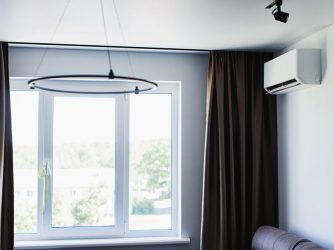
Summertime brings intense heat that puts your air conditioning system to the test. Turning off the AC is not a realistic option for most families and businesses, but that doesn’t mean you have to settle for high energy bills every month. There are several strategic steps you can take to keep your home or building comfortable while lowering cooling costs, all without sacrificing relief from the summer heat.
What to Expect During an HVAC Tune-Up

Proper HVAC maintenance is critical for keeping your home or business in North Salt Lake, UT, comfortable and energy efficient year-round. Scheduling a tune-up with a trusted provider, such as HVAC Construction, Inc., ensures your system performs optimally. Here’s what to expect during this essential service.
UV Lights in HVAC: Science or Gimmick?
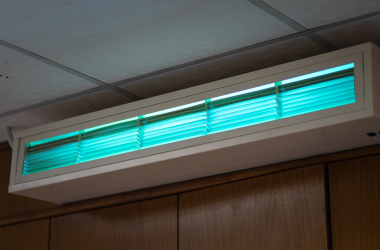
For many homeowners and business operators in North Salt Lake, UT, concerns about indoor air quality are increasingly important—especially as seasonal weather encourages more time spent indoors. One technology gaining attention is the use of ultraviolet (UV) lights within HVAC systems. But are these UV lights genuinely effective or simply an industry trend? Below is a clear look at how they work, their benefits, and whether they’re worth considering for your home or business.
Why You Should Stay on Top of Your Indoor Air Quality This Winter

As winter sets in, homeowners spend more time indoors to stay warm and comfortable. While heating systems provide relief from the cold, indoor air quality often declines during the season. The Environmental Protection Agency notes that indoor air can be several times more polluted than outdoor air, especially when homes are sealed tightly to conserve heat. Pollutants such as dust, pet dander, mold spores, and volatile organic compounds can accumulate, affecting comfort, respiratory health, and overall wellness. Staying proactive about indoor air quality ensures a healthier home environment throughout the winter months.